Journal
What Is a Psychological Thriller?
The psychological thriller sets itself apart from other kinds of thrillers through the nature of its tension. Where the action thriller relies on chases and physical danger, the psychological thriller builds its suspense inside the characters' minds: what they believe they know, what is being hidden from them, what they eventually come to doubt they ever experienced.
A genre centered on the mind, not on action
In a psychological thriller, the real danger is rarely a weapon or a pursuer: it is a distorted statement, a memory that slips away, an accusation that changes everything. The reader moves forward alongside the character, often without knowing themselves who is telling the truth.
This uncertainty is deliberate. The genre plays on the gap between what the narrator claims and what the story lets the reader glimpse, forcing the reader to piece the truth together fragment by fragment rather than receive it ready-made.
Doubt as the engine of the story
Doubt and subjective narration are at the heart of the genre: each character carries their own version of events, and none is presented as absolutely reliable. This is what sets the psychological thriller apart from the classic detective novel, where the investigation usually ends up establishing a stable truth.
Here, truth itself is called into question. The suspense comes not from "who did what," but from "who can be trusted."
Sia Trog's psychological thrillers
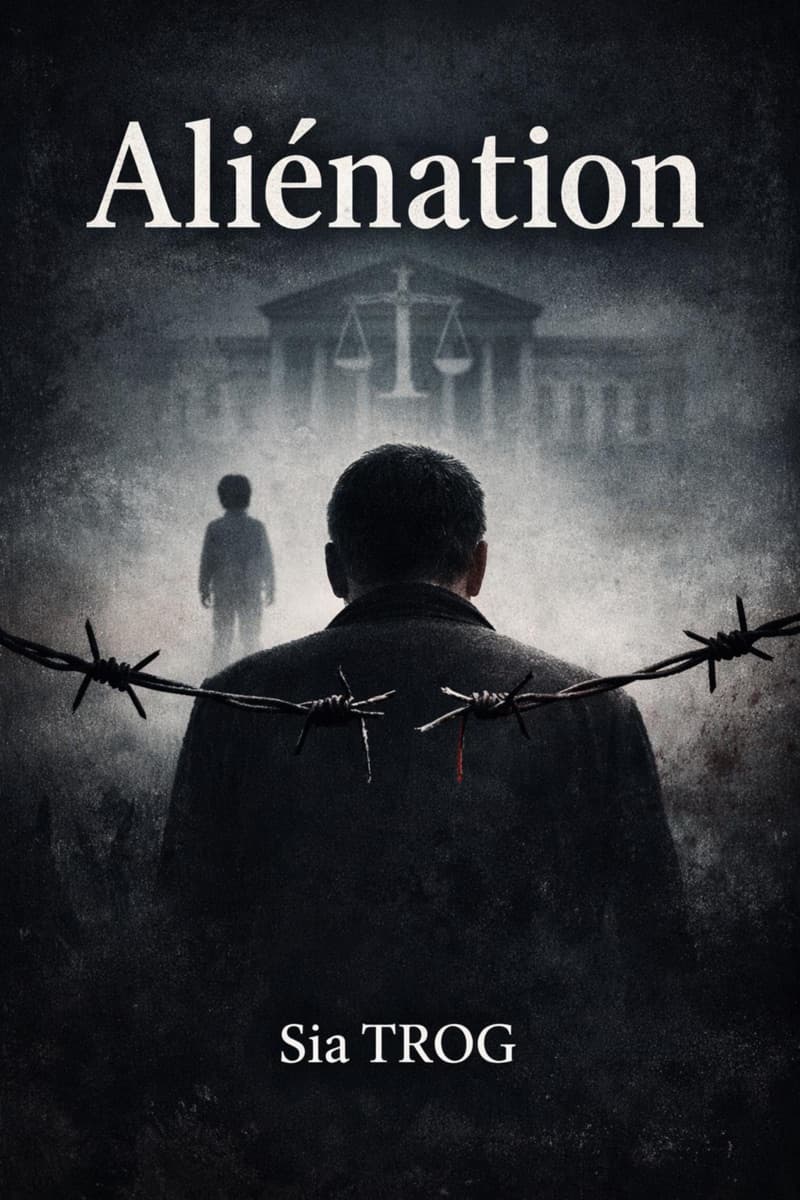
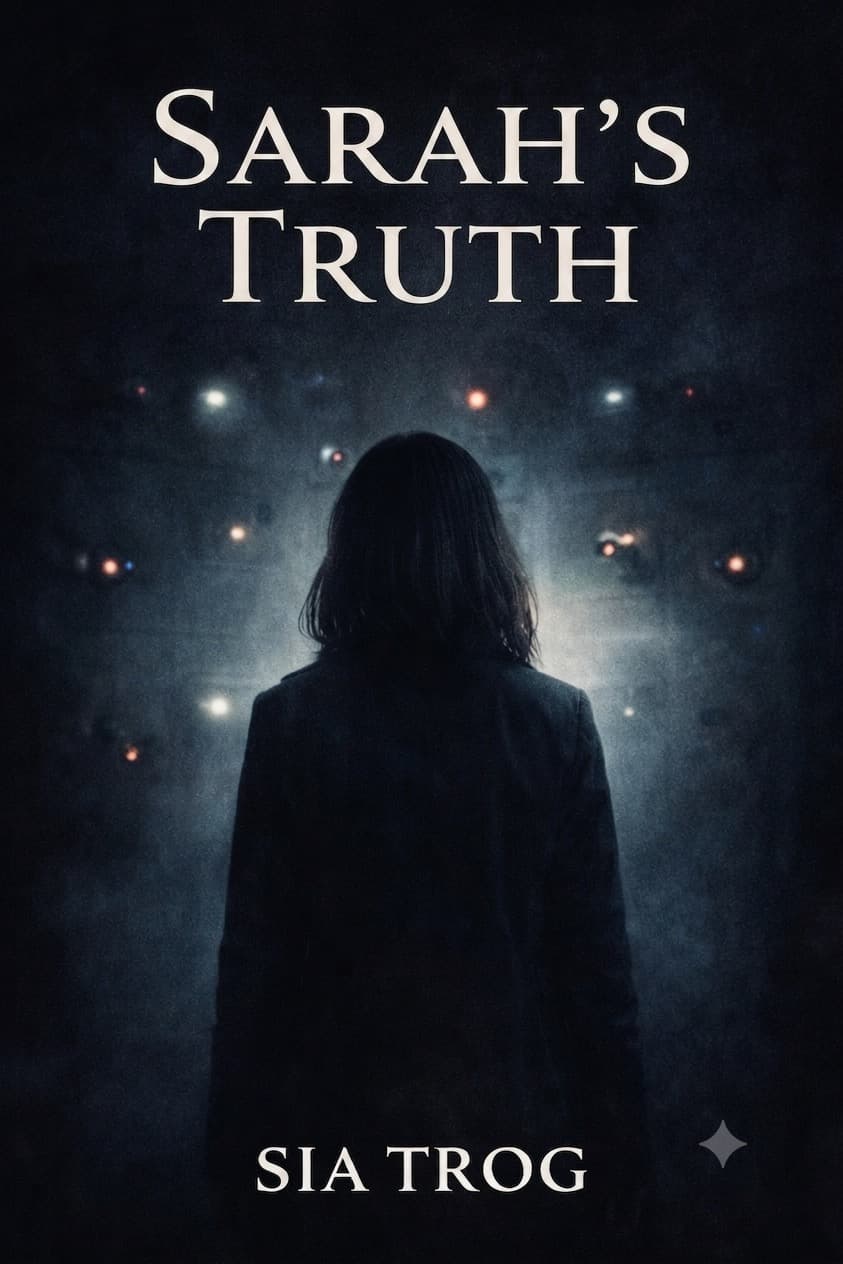
Sia Trog's four novels belong to this tradition, each built around an accusation or a conflict in which several versions collide: a fabricated narrative spreading around a father and his child in Alienation, a childhood memory rewritten in Alienation: Legacy, an accusation that flips the roles in Sarah's Truth, and a presumption of guilt that isolates a man from his own family in Les Bleus.