Journal
Can You Trust the Narrator? Truth and Story in the Psychological Thriller
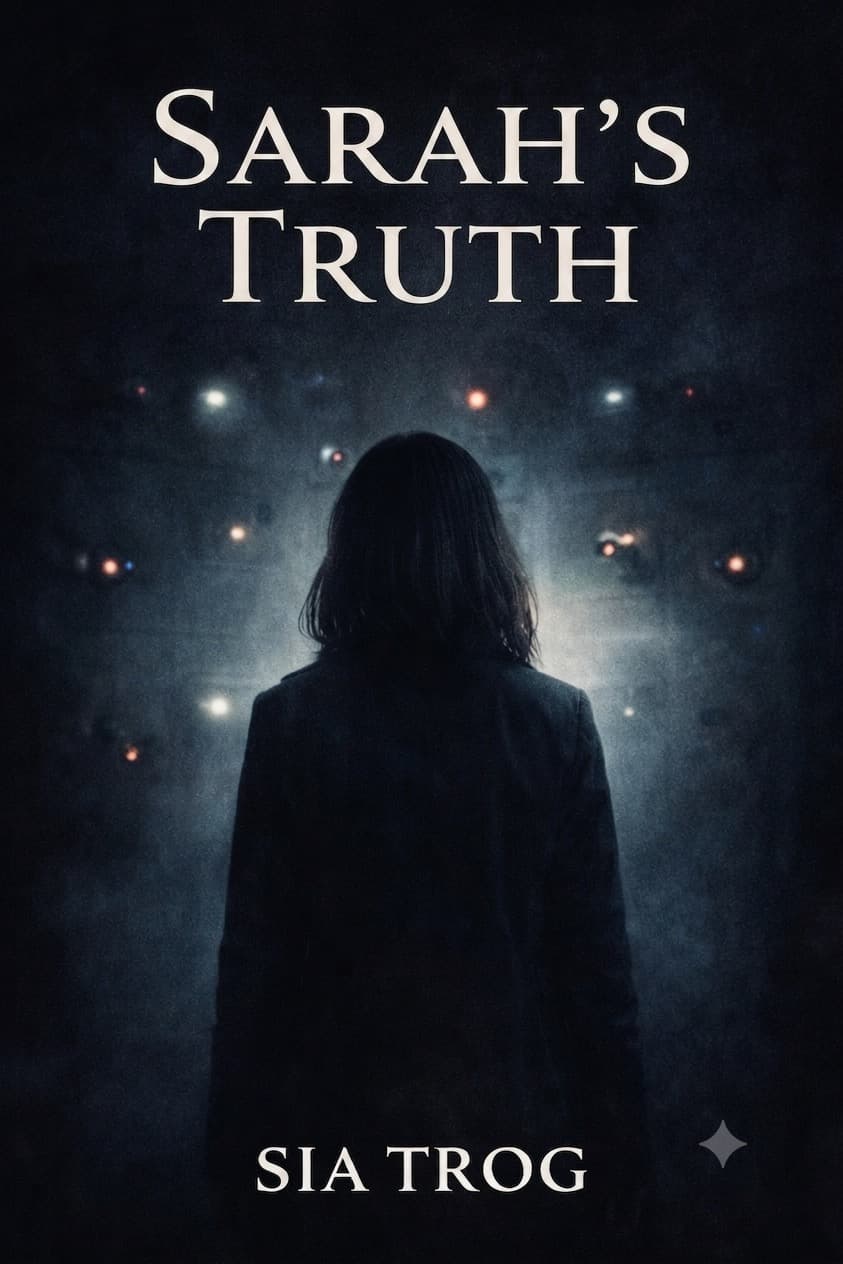
“What becomes of the truth when someone else tells your story for you?” This question, at the heart of Sia Trog's world, sums up rather well one of the fundamental devices of the psychological thriller: truth is never simply given here — it has to be rebuilt.
The unreliable narrator, a narrative tool
The unreliable narrator is a classic technique of the genre: the story is carried by a point of view that never tells the whole truth at once, whether through omission, sincere conviction, or self-interest. The reader then has to work with incomplete information, exactly like the characters themselves.
This subjective narration does not deceive the reader for the sake of deceiving them: it places them in the same uncertainty as the protagonists, reinforcing identification and tension.
Subjective truth: every character has their own version
In the psychological thriller, truth is rarely singular; it is almost always disputed between the characters. This principle is at the center of Sarah's Truth, where an accusation pits two versions of events against each other, with neither immediately established as the right one — until the most convincing story threatens to win out over the facts themselves.
The same vertigo appears in Les Bleus, where the physical evidence eventually contradicts itself, and in Alienation: Legacy, where an adult must untangle what he was made to believe from what he actually lived through.
Why this vertigo works
What makes these stories effective is that they offer no comfortable truth. The reader often finishes the book with a conviction rather than a certainty — mirroring what, in reality, people caught in conflicts where speech becomes a weapon actually experience.