Journal
Manipulation and Coercive Control: A Central Device of the Psychological Thriller
Manipulation can be defined as the power one person exercises over another's perception and decisions — often without the victim being fully aware of it. It is one of the most exploited devices of the psychological thriller, because it turns an ordinary relationship into a site of permanent tension.
Why fiction is drawn to this subject
Unlike physical violence, manipulation leaves no visible trace. It works through words, silences, sworn statements, narratives shaped to convince. It is precisely this invisibility that makes it such rich narrative material: the reader has to learn to notice what the characters themselves do not always see.
Coercive control — a prolonged, systemic form of manipulation — adds a further dimension: it settles in over time, within family or intimate relationships, making it all the harder to escape — and to tell.
Manipulation in Sia Trog's novels
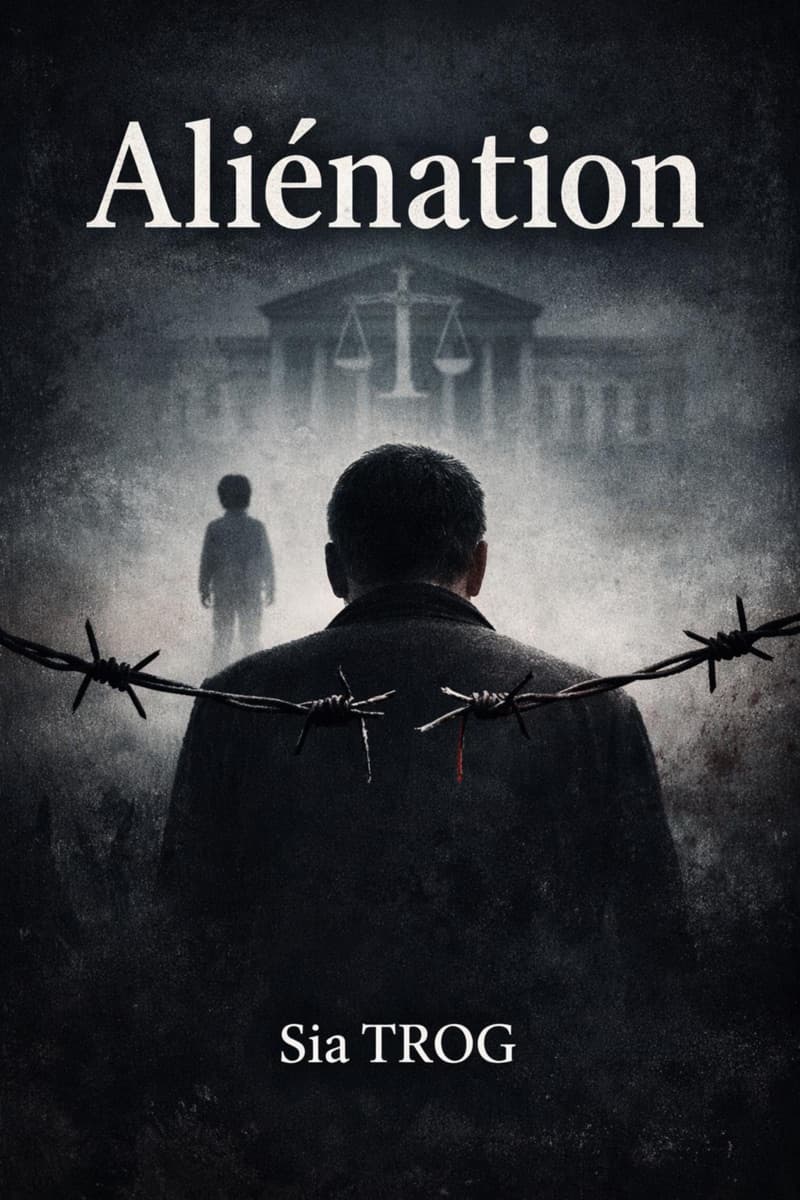
In Alienation, manipulation takes the form of a fabricated narrative that gradually isolates a father from his child, through accusations and institutional silences. Alienation: Legacy explores an even older manipulation: that of a childhood memory rewritten by the adults who were supposed to protect the child.
Les Bleus pushes the logic a step further, with a coercive control so methodical that the main character comes to doubt his own memories. In all three cases, the question put to the reader remains the same: how do you recognize manipulation when it presents itself in its most convincing form — the truth?